
TL;DR:
- Nebraska's foreclosure rate remains relatively low, but distressed homeowners can benefit from acting quickly.
- The judicial foreclosure process provides 142 to 180 days to explore options before losing the home.
- Selling to a cash buyer is often the fastest way to avoid foreclosure and recover equity.
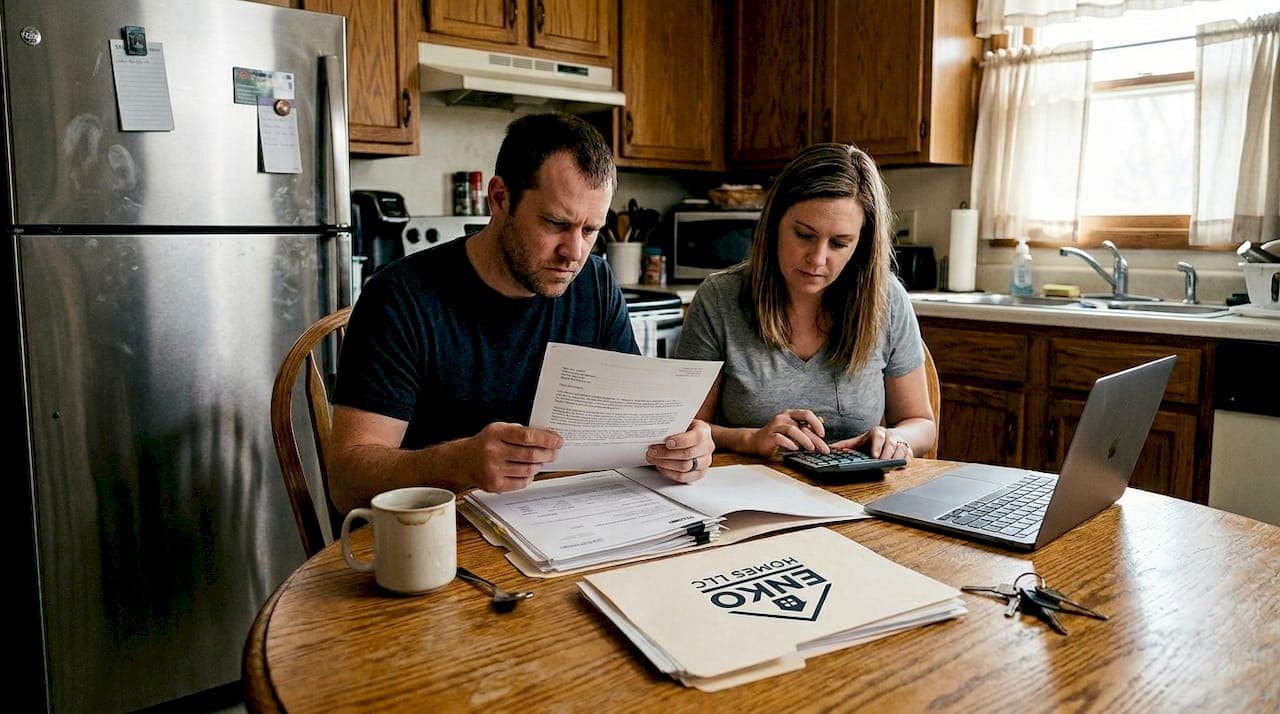
When financial hardship puts your Nebraska home at risk, the pressure to make the right move fast can feel overwhelming. Whether you've missed a few mortgage payments or received a notice of default, the decisions you make in the next few weeks can shape your financial future for years. Nebraska's real estate market in 2026 is stable overall, but pockets of distress still exist in Lancaster, Douglas, and Sarpy counties. Understanding current foreclosure trends, your legal rights, and the investment solutions available to you is the first step toward regaining control.
Table of Contents
- Key real estate trends shaping Nebraska in 2026
- The pre-foreclosure journey: What Nebraska homeowners experience
- Affordable investment solutions for distressed Nebraska properties
- Comparing your options: Strategies for Nebraska owners in distress
- Our take: What most homeowners miss about Nebraska's distressed property market
- Connect with Nebraska's trusted distressed property experts
- Frequently asked questions
Key Takeaways
| Point | Details |
|---|---|
| Low foreclosure rates | Nebraska continues to have some of the nation’s lowest foreclosure and zombie property numbers in 2026. |
| Multiple solution paths | Distressed homeowners can act early and compare options like selling as-is, loan modification, or bankruptcy. |
| Investors offer quick help | Cash buyers and investors make affordable offers and handle liens, taxes, and repairs for many homeowners. |
| Early action is best | Sellers who address property distress before deadlines have more control and better outcomes. |
Key real estate trends shaping Nebraska in 2026
Nebraska's housing market tells a reassuring story at the headline level, but the details matter for homeowners in distress. The state ranks 42nd in the nation for foreclosure activity, with 1 in 9,594 housing units entering foreclosure in February 2026 according to ATTOM data. In January 2026, that rate was slightly higher at 1 in 7,508 units. Nebraska also carries a low zombie foreclosure rate of just 5.1% of pre-foreclosures, meaning very few abandoned properties are sitting idle in the pipeline.
These numbers are encouraging, but they don't mean distress is absent. Median home values across the state have held steady, which is actually good news for homeowners who need to sell quickly. A stable market means buyers and investors are still active, and competitive pricing can still attract fast offers.
| Market indicator | Nebraska 2026 figure |
|---|---|
| Foreclosure rate (Feb 2026) | 1 in 9,594 housing units |
| Foreclosure rate (Jan 2026) | 1 in 7,508 housing units |
| National foreclosure ranking | 42nd |
| Zombie foreclosure rate | 5.1% of pre-foreclosures |
For distressed homeowners, this environment creates a real window of opportunity. Investors and cash buyers are actively searching for properties in Lancaster, Douglas, and Sarpy counties. Because overall supply of distressed homes is low, your property stands out when it hits the market. You can learn more about navigating this environment in our Nebraska distressed property guide.
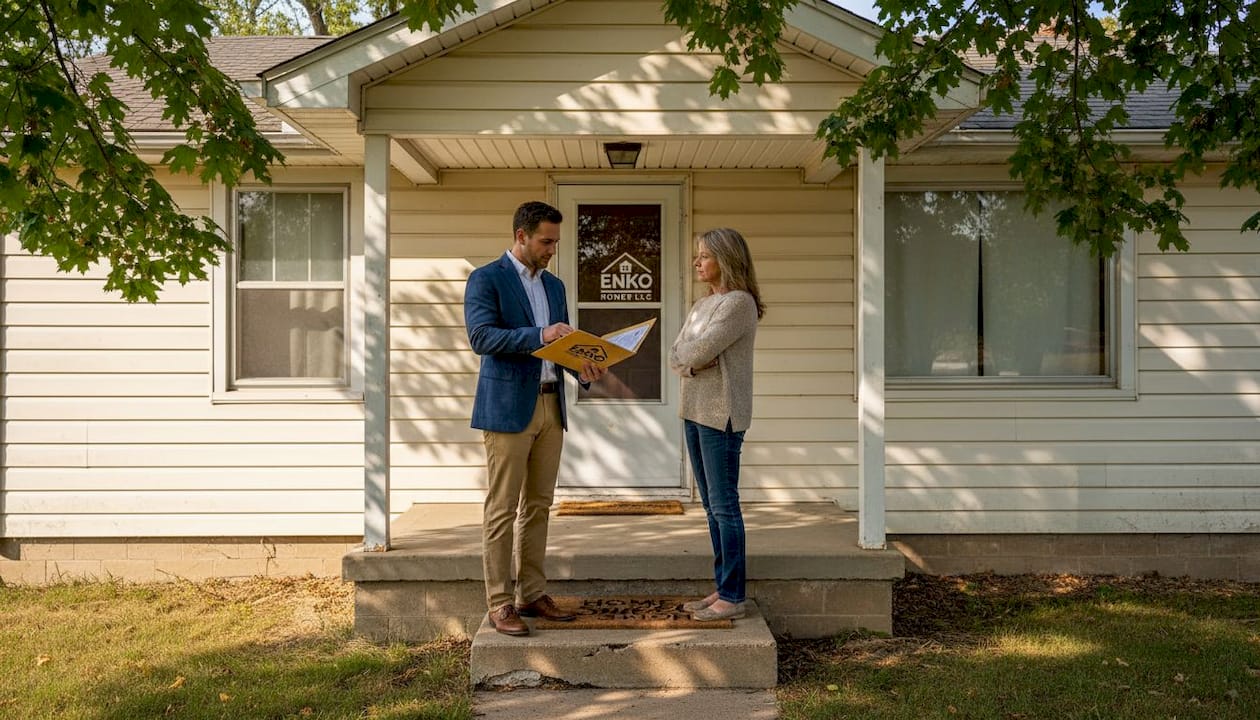
The takeaway here is that Nebraska's stability works in your favor if you act before the foreclosure process locks you out of your options. The market rewards proactive sellers, not those who wait for a rebound that may never come.
The pre-foreclosure journey: What Nebraska homeowners experience
Understanding the legal timeline is not just helpful. It is essential. Nebraska uses a judicial foreclosure process, which means the lender must file a lawsuit and get court approval before selling your home. This process typically takes 142 to 180 days from the date of default to the final sale, giving you more time than many homeowners realize.
Here is how the timeline typically unfolds:
- Missed payments (Month 1 to 3): Your lender will contact you and report delinquency to credit bureaus. This is the best time to explore options.
- Notice of default (Month 3 to 4): After 90 to 120 days of missed payments, the lender files a formal notice. You then receive a 30-day cure period to bring the loan current.
- Lawsuit filed (Month 4 to 5): If you don't cure the default, the lender files a foreclosure lawsuit in district court.
- Court judgment (Month 5 to 6): A judge reviews the case. If the lender wins, a sale date is set.
- Foreclosure sale: The property is sold at public auction. Nebraska law allows redemption until the court confirms the sale.
The redemption period is a critical but often misunderstood right. You can reclaim your home even after the auction by paying off the debt, but this window closes once the court confirms the sale. If you are considering bankruptcy, a Chapter 13 filing triggers an automatic stay that pauses the foreclosure immediately. However, Chapter 7 bankruptcy risks liquidating other assets, so it is not always the right tool.
Pro Tip: If you receive a notice of default, contact a HUD-approved housing counselor within the first week. Free counseling is available in Nebraska and can help you understand your rights before deadlines shrink your choices. You can also explore options to avoid foreclosure in Nebraska before the lawsuit stage.
Affordable investment solutions for distressed Nebraska properties
Once you understand the timeline, the next question is: what are your real options? For most distressed homeowners, the most practical and fastest solution is selling to a cash buyer or real estate investor. Here is why that works.
Investors actively target pre-foreclosures and REO (real estate owned) properties, often purchasing at 15% below market value. The median resale price for flipped homes in Nebraska sits around $308,500, which tells you investors see real upside in the market. That upside is what motivates them to move fast and pay cash, which benefits you as a seller.
Here are the most common investment solutions available to you:
- As-is cash sale: You sell the property in its current condition with no repairs, no staging, and no agent commissions. Cash buyers handle liens and back taxes in many cases, simplifying the closing process.
- BRRRR strategy: Investors buy, rehab, rent, refinance, and repeat. They are motivated to close quickly because their profit depends on the rehab timeline.
- Fix and flip: Investors purchase, renovate, and resell. Median flipped resale values make this viable in Nebraska's metro counties.
- Short sale: If you owe more than the home is worth, your lender may accept less than the full balance to avoid the cost of foreclosure.
Pro Tip: Before signing anything, ask the investor for proof of funds and references from past Nebraska sellers. Legitimate buyers will have both ready.
The as-is sale is often the fastest path. You skip repairs that you likely cannot afford, avoid months of carrying costs, and close in as little as 7 to 14 days. Check our selling as-is guide for a detailed breakdown of what to expect.
Comparing your options: Strategies for Nebraska owners in distress
Not every solution fits every situation. Here is a direct comparison of the four most common routes for distressed Nebraska homeowners.
| Option | Timeline | Best for | Key risk |
|---|---|---|---|
| Loan modification | 30 to 90 days | Homeowners with steady income | Lender may deny; credit still hurt |
| Cash sale to investor | 7 to 21 days | Homeowners needing fast exit | May receive below market value |
| Chapter 13 bankruptcy | Months to years | Homeowners wanting to keep home | Strict repayment plan required |
| Ride out the process | 142 to 180 days | Homeowners with active legal defense | Foreclosure sale ends all equity |
Loan modification works best if you have recovered financially and can demonstrate ability to repay. Your lender restructures the loan terms, which may lower your monthly payment. The downside is that approval is not guaranteed and the process can take months.
Selling during pre-foreclosure to a cash buyer is the fastest way to stop the clock. You walk away with equity, clear your debt, and avoid a foreclosure on your credit record. The tradeoff is accepting a price below what a retail buyer might pay, but the speed and certainty often outweigh that gap.
Bankruptcy deserves careful thought. Chapter 13 lets you keep your home by restructuring debt into a 3 to 5 year repayment plan. Chapter 7 liquidates assets to pay creditors, and you may lose the home anyway. The judicial process in Nebraska does allow redemption until court confirmation, so bankruptcy can buy time, but it is not a permanent fix.
Riding out the process without a plan is the riskiest move. Once the court confirms the sale, your options disappear entirely.
- Act before the lawsuit stage for maximum leverage
- A confirmed foreclosure sale stays on your credit for 7 years
- Equity recovered through a pre-foreclosure sale is yours to keep
Our take: What most homeowners miss about Nebraska's distressed property market
Most advice tells distressed homeowners to wait and see. Wait for the market to improve. Wait for the lender to offer a deal. Wait for a better offer. We have seen firsthand how that advice costs people money and options.
Nebraska's low foreclosure rate is actually a signal that investors are hungry for distressed properties here. When supply is tight, motivated buyers compete for available deals. That means a homeowner who lists a distressed property before the foreclosure sale can attract multiple offers faster than they expect.
The sellers who come out ahead are the ones who act early. They use the 142 to 180 day judicial timeline as a runway, not a waiting room. They price competitively, engage cash buyers, and close before the court gets involved. Our quick sale guide shows exactly how that process works in practice.
The uncomfortable truth is that waiting rarely produces a better outcome in a distressed situation. The market does not reward hesitation. It rewards clarity and speed.
Connect with Nebraska's trusted distressed property experts
If you are facing pre-foreclosure in Lancaster, Douglas, or Sarpy County, you do not have to navigate this alone. At Enko Home Buyers, we specialize in buying distressed properties as-is, with no repairs, no agent fees, and no delays. We make fair cash offers tailored to your situation, whether you need to stop foreclosure fast, sell a rental property, or sell an inherited house that has become a burden.
Every conversation is confidential and comes with zero obligation. We understand the pressure you are under, and we move fast so you can move forward. Reach out today for a no-pressure cash offer and let us show you what a straightforward, honest home sale looks like in Nebraska.
Frequently asked questions
How long does pre-foreclosure last in Nebraska?
Pre-foreclosure in Nebraska typically begins after 90 to 120 days of missed payments and the full process from default to sale runs 142 to 180 days. Acting early in that window gives you the most options.
Can I sell my Nebraska home during pre-foreclosure?
Yes, you can sell at any point before the court confirms the foreclosure sale, which means the judicial process actually gives you more time to act than many homeowners realize.
What is the 70% rule for selling distressed homes?
The 70% rule means investors will pay no more than 70% of a home's after-repair value minus estimated repair costs, which is how they protect their profit margin on a flip.
Are cash buyers legitimate in Nebraska real estate?
Most are legitimate. Cash buyers often handle liens and back taxes and purchase homes as-is, but you should always verify credentials and ask for references before signing any agreement.
Recommended
- Sell your Nebraska home fast: step-by-step 2026 guide
- Sell House in Foreclosure Nebraska | Stop Foreclosure Fast | Enko Home Buyers
- What is a quick home sale? Nebraska distressed property guide
- Sell Rental Property Nebraska | Cash for Investment Property | Enko Home Buyers
- Expert Quotes on the 2024 Housing Market Forecast